




 October 2026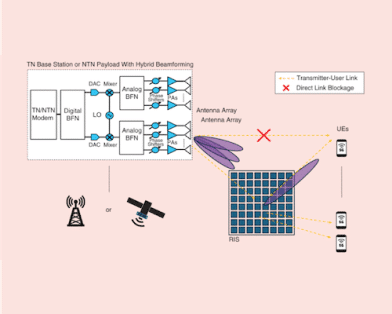
This Month's Highlights

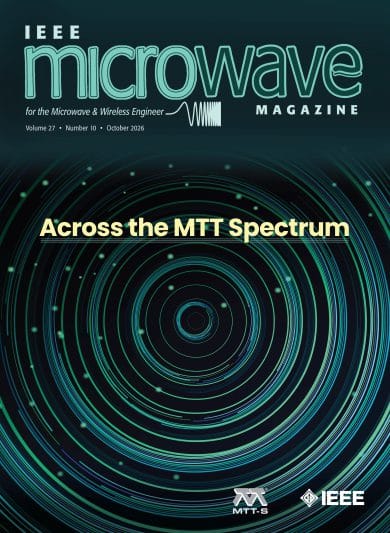
The October issue of the IEEE Microwave Magazine is out! This issue is about the MTT spectrum. We have so many areas of research in this field of microwaves and the magazine likes to explore all of them. As well as the features we have a full set of columns, including a new one, and an Application Note.
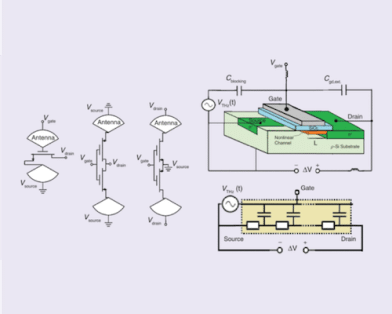
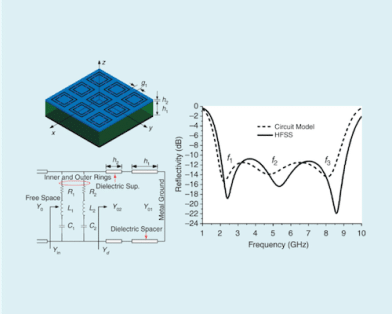
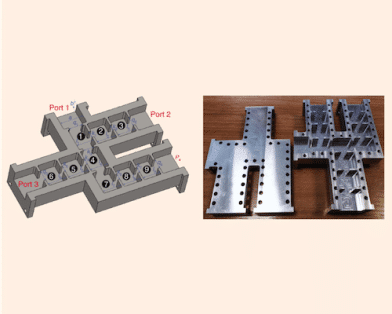
The goal of the magazine is to give readers readable reviews of technology. In this issue we have tours of terahertz imaging, how satellite and terrestrial integration can be done as well as all about metasurface absorbers. Our Application Note gives readers some real life education on load pulls and power amplifier optimization. Of course we also have columns. Check out the Editor’s Desk to get the plan for this issue. And then check out the President’s Column to get the plan for our society and writing papers in the face of rapid changes due to AI. Terahertz generation and applications has been a growing area of research and our MTT Society News has an overview of this area from Technical Committee 21. The Indian Institute of Technology at Varanasi had a Tech Day which included the MTT, AP and ED societies and you can read about it in the Conference Report column. One of our new columns is Broadening MTT’s Reach and this month it has an overview of its many activities in 2025. We also have Membership News which this month covers how our Special Interest Group in Humanitarian Technology (SIGHT) made progress during Microwave and Radar Week in Krakow, Poland, as well as in West Bengal, India and MGA activities at Northeastern University. On the border between society news and technical news is our Women in Microwaves column about collaborative work and career building in Malaysia and France.
Carrying on with our technical theme is our MicroBusiness column which this month brings us to how the IEEE and MTT-S are getting the word out about who we are and what we do. Our health is a big concern for the IEEE and this month’s Health Matters column dives deep into long term exposure of rats to microwaves. Now that all the numbers are in it is about understanding the implications. Being more green is a concern for all of us with the effects of global warming steadily increasing. This month’s Green RF Engineering column explores how solar panels in space could beam large amounts of microwave power to the earth. For those that love puzzles our Enigmas, etc. column this month has the answer to last month’s question on LC matching networks and resonant versus operating frequencies. Finally, our Speaker’s Corner column takes on how engineers will adapt to yet another technological evolution, AI, and looks back at all the adapting RF engineers have done as well as what new RF engineers will have to do.
As always, check out the Conference Calendar and meet your society members in person.
Summary by
Alfy Riddle, PhD.
Quanergy Solutions, Inc.
Current issue
October 2026 Issue
About the journal
The IEEE Microwave Magazine is published monthly, with the IMS Special issue in April or May, and an RWW Supplement delivered with the December issue. The Microwave Magazine focuses on the publication of general interest review, tutorial, and survey papers rather than new research.
Most issues of the Microwave Magazine include a “focus section,” in which the technical features are invited by the guest editor, who is an acknowledged expert in the focus topic. The magazine also contains submitted technical articles, either as features or application notes. The technical content of the magazine is about 55 pages per issue, consisting of 4-5 feature articles and 1-2 application notes. Additionally, the magazine contains a number of regular columns, as well as editorial and news items.
The magazine has won two international awards for technical art from the Society for Technical Communication. The current impact factor for IEEE Microwave Magazine is 3.6 (2023). The magazine welcomes review, tutorial, and survey manuscripts in all topics of interest to the microwave engineering community; the time from submission to publication is under 26 weeks. Articles published in the Microwave Magazine are available to digital subscribers through IEEE Xplore.
For submissions, please read the Guidelines for Authors and submit your article via the IEEE Author Portal at https://ieee.atyponrex.com/journal/mttmm